Intended user and channel
Factory buyer guide
Specify colored pencil cores by measurable buyer outcomes.
Prepare a colored pencil core specification covering color range, construction, diameter, centering, coloring, sharpening, breakage, samples, and batch inspection.
Finished pencils: 100 cartons per style, with 2,880 pencils per carton (288,000 pencils per style). For mixed orders totaling more than 300 cartons, the minimum is 50 cartons per style (144,000 pencils). An order totaling exactly 300 cartons does not qualify for this exception.
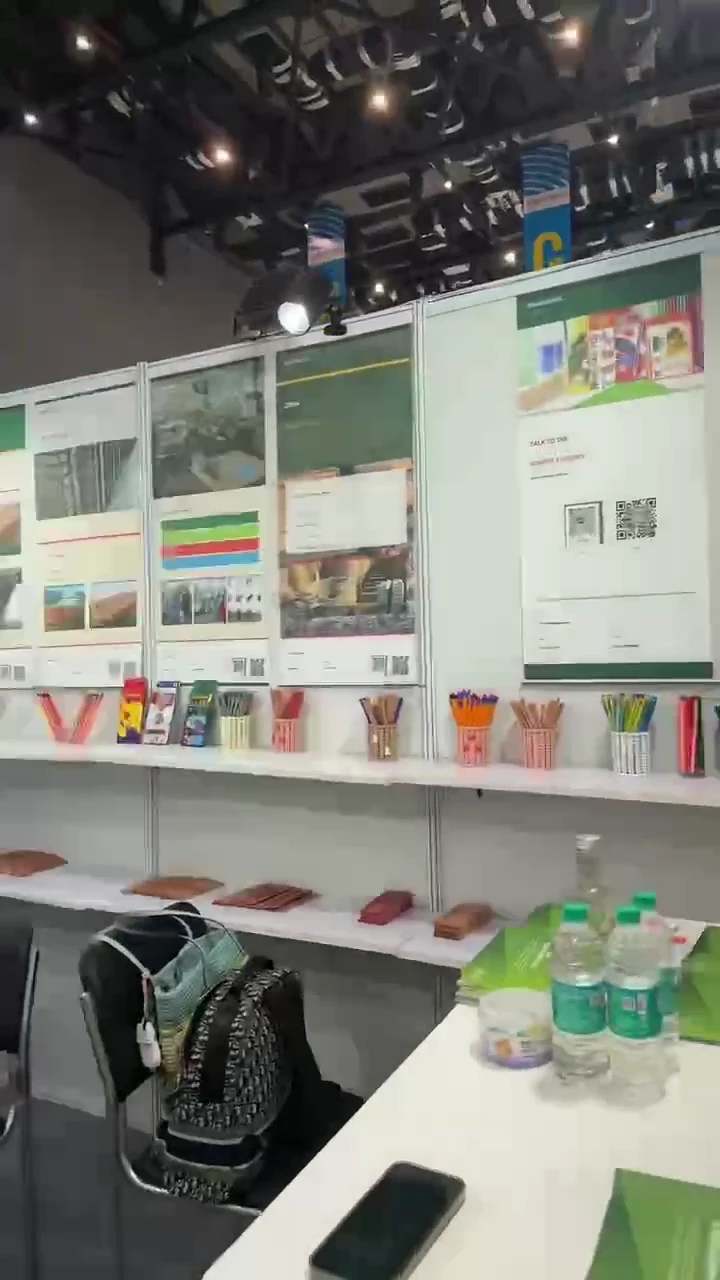
Who this is for
Colored pencil brands, art-supply and school buyers, importers, wholesalers, private-label program managers, downstream finishers, and quality teams
Use this page to prepare one measurable specification and commercial basis before comparing suppliers.
01
Start with the intended user and coloring result
State whether the program is for early learning, school, general creative use, art retail, professional positioning, promotion, or another confirmed channel. Approve the color laydown, coverage, feel, layering or blending expectations only through a defined reference and method.
Paper or surface reference
Color laydown and coverage
Approved physical performance sample
02
Define the color range and identity system
List every required color, buyer name or code, sequence, visual or coloring reference, and any allowed substitution. Align the core identity with the barrel, end color, printed code, tray position, assortment list, artwork, and receiving record.
Controlled color list
Name, number, or buyer code
Barrel, end, or tray identification
Replacement and assortment rule
03
Record core construction without vague quality labels
Confirm the requested construction or diameter together with body dimensions, groove fit, centering, bonding, intended sharpening route, and approved result. Terms such as soft, thick, artist, premium, or break-resistant are incomplete without a method, sample, and acceptance rule.
Core construction or diameter
Body and groove compatibility
Centering and bonding reference
Measurable claim and acceptance basis
04
Control sharpening, chipping, and breakage checks
Use an agreed sharpener or production setup, consistent preparation, retained samples, and a documented observation method. Record wood cutting, core exposure, tip formation, chipping, fracture, repeat behavior, and the product's handling history before assigning a cause.
Sharpener or machine reference
Conditioning and sample preparation
Chipping, fracture, and repeat result
Packing, transit, and handling context
05
Separate the core result from the finished set result
A conforming core does not automatically approve barrel coating, color coding, printing, sharpening, accessories, set order, retail packaging, or destination documents. Identify the factory-completed stage and buyer-completed stage before sampling and quotation comparison.
Core and body acceptance
Factory-completed operations
Buyer-controlled downstream operations
Finished-set presentation reference
06
Release the lot through a written inspection plan
Define lot identity, sample selection, conditioning, checks, evidence, critical holds, disposition authority, and retained references. Use release, hold, sort, rework, replacement, or reject decisions based on the agreed order rather than one uncontrolled demonstration.
Lot and sampling basis
Functional and visual checks
Evidence and retained samples
Release, hold, correction, or reject authority
Core approval route
Turn soft, strong, smooth, and bright into controlled decisions.
Translate each buyer word into the intended user, test surface, preparation, comparison sample, observation, acceptance limit, responsible reviewer, and approved lot evidence before using it in a specification or claim.
Soft or smooth
Define the coloring feel, pressure, coverage, paper, sample, and user context instead of approving an unsupported adjective.
Bright or vivid
Control the exact color reference, application method, paper, number of passes, lighting or review condition, and acceptable variation.
Strong or break-resistant
State the core and body construction, sharpening and handling method, conditioning, packing context, sample size, observation, and acceptance rule.
Artist or school quality
Replace a broad segment label with the required core, body, color range, performance, pack, testing, and order-specific evidence for that user.
Choose the supplied stage
Finished sets, blank bodies, or core-filled boards?
Core acceptance must match the production stage being purchased. Do not assign downstream coating, sharpening, assortment, packing, storage, or handling results to an earlier handoff without controlled evidence.
Finished colored pencil setsApprove the complete core, body, finish, color identity, sharpening, assortment, artwork, packaging, and inspection route.
Blank colored pencil bodiesInspect color-core bodies before buyer-controlled coating, coding, printing, sharpening, set assembly, or retail packing.
Sandwich pencil boardsInspect the core placement, groove fit, bonding, board condition, and approved handoff before shaping and finishing.
Colored pencil factory route
Need finished colored pencils or blank color-core bodies?
Choose the supplied handoff stage first, then send the intended user, color range, core and body reference, set plan, sample, inspection, packing, quantity, and destination for review.
FAQ
Questions buyers should settle before production.
What should a colored pencil core specification include?
Include intended user, color list and identity, core construction or diameter, body and groove route, centering, bonding, coloring reference, sharpening, breakage, sample, inspection, packing, quantity, destination, and supplied handoff stage.
Is a thicker colored pencil core always better?
No. Diameter must be evaluated with the body, groove, wood, bonding, sharpening, intended use, color result, packing, price position, and approved sample. A larger diameter alone does not prove quality or suitability.
How should colored pencil breakage be tested?
Select an order-appropriate method and document conditioning, sample size, handling, sharpener or preparation, packing context, observation, acceptance rule, and retained references. One uncontrolled drop or sharpening attempt is not a complete test.
Can blank colored pencil bodies and finished sets use the same inspection plan?
They can share some core and body checks, but the finished set also requires approval of coating, identity, printing, sharpening, assortment, accessories, retail packaging, artwork, count, and destination-specific requirements.
Are colored pencil testing documents automatically included?
No. Testing, certificates, declarations, labeling, and destination documents are confirmed for the exact construction, intended user, market, buyer requirement, and order before production.
Continue researching
Related buyer decisions.
OEM Colored Pencil Set Specifications | Buyer GuidePrepare an OEM colored pencil set RFQ covering color range, core, body, finish, branding, 12/24/36-count packaging, samples, and inspection.
Pencil Core Centering & Breakage Inspection | QC GuideInspect graphite and colored pencil core centering, bonding, sharpening, handling, packing, and breakage with controlled samples and disposition rules.
Blank Pencil Incoming Inspection | Graphite & Colored BodiesInspect blank graphite and colored pencil bodies for identity, dimensions, core, surface, packing, process compatibility, and lot release with a free RFQ/QC file.
Wooden Pencil Sampling and Quality Inspection GuideBuild a practical approval and inspection route for pencil materials, blank pencils, and finished OEM wooden pencil orders.
Blank Graphite & Colored Pencil Body Guide | Buyer RFQCompare unfinished graphite and colored pencil bodies by core, shape, surface stage, sharpening, downstream finishing, inspection, packing, and RFQ inputs.
12 vs 24 vs 36 Colored Pencil Sets: Buyer PlannerCompare 12-, 24-, and 36-color private-label pencil sets by user, assortment, core, packaging, carton quantity, overage, and quality control.
Factory quote
Send the specification to the factory
Tell us your destination market, quantity, target price, product route, and packaging requirement. We will match the material grade and production stage for the order.
Fast quote checklist
Finished pencils: 100 cartons per style; materials quoted separately
Product route
Quantity or annual volume
Destination country or region
Packaging, certificate, and target price
Open inquiry form