Purchase order and lot identity
Factory buyer guide
Inspect blank graphite and colored pencil bodies before downstream finishing.
Inspect blank graphite and colored pencil bodies for identity, dimensions, core, surface, packing, process compatibility, and lot release with a free RFQ/QC file.
Finished pencils: 100 cartons per style, with 2,880 pencils per carton (288,000 pencils per style). For mixed orders totaling more than 300 cartons, the minimum is 50 cartons per style (144,000 pencils). An order totaling exactly 300 cartons does not qualify for this exception.
XLSX Download the blank pencil body RFQ and incoming-QC workbook 5 editable worksheets / Bilingual start guide, graphite / colored blank-body RFQ, route-aware incoming QC, three-supplier quote comparison, and formula-driven RFQ and lot-release gates.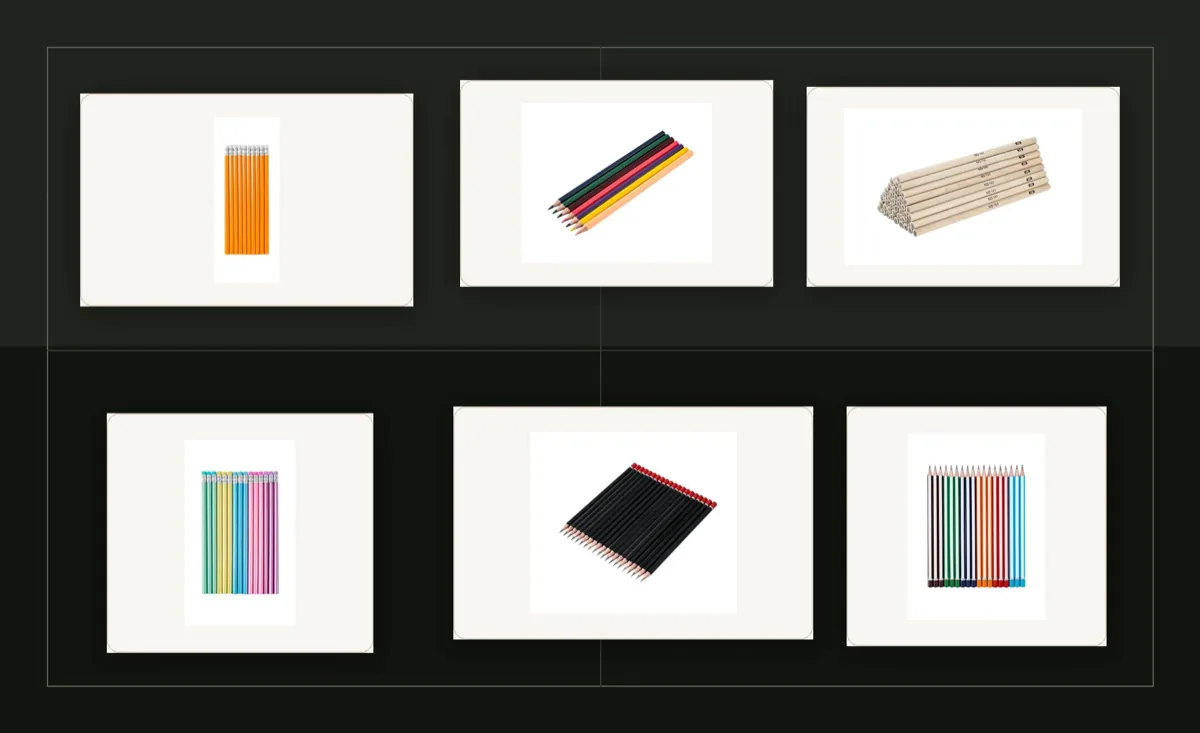
Who this is for
Downstream pencil finishers, printers, brands, importers, set packers, factories, and buyers of unbranded graphite or colored pencil bodies
Use this page to prepare one measurable specification and commercial basis before comparing suppliers.
01
Verify lot identity and handoff stage
Match the delivered cartons, labels, purchase order, specification, core route, dimensions, quantity, packing, and approved sample. State which coating, printing, sharpening, eraser assembly, set building, or retail packing operations remain with the buyer.
Graphite or color-core route
Delivered and excluded operations
Quantity, packing, and approved revision
02
Check dimensions, shape, and straightness
Use the agreed measurement method for length, diameter or across-flat dimensions, shape, taper, end condition, and straightness. Confirm that the body fits the buyer's coating, printing, ferrule, sharpening, fixture, and packaging equipment.
Length and body dimensions
Round, hexagonal, triangular, or confirmed shape
Straightness and end condition
Downstream fixture and equipment fit
03
Inspect the core route before finishing
For graphite bodies, confirm the approved grade or writing reference; for colored bodies, confirm each color identity and coloring reference. Review centering, visible gaps, movement, sharpening behavior, and any order-specific breakage or performance check.
Graphite grade or color identity
Core centering and visible condition
Sharpening and performance reference
Lot segregation by grade or color
04
Evaluate the surface for the next operation
Natural, sanded, sealed, coated, or otherwise prepared bodies require different checks. Inspect cleanliness, roughness, chips, dents, fibers, contamination, color variation, coating compatibility, and the agreed preparation stage using a controlled reference.
Confirmed surface handoff
Cleanliness and contamination
Roughness, chips, dents, and fibers
Coating or printing compatibility trial
05
Review count, protection, and receiving condition
Record pieces per bundle or inner pack, carton count, movement protection, moisture condition, marks, pallet status, and visible transit damage before material enters production. Preserve photographs and affected samples when damage is found.
Bundle, inner, and carton count
Movement and point protection
Moisture and carton condition
Receiving photographs and damage segregation
06
Release through a controlled incoming plan
Define lot size, sample selection, checks, critical holds, responsible inspector, evidence record, and release authority. A successful incoming check covers the agreed delivered stage; it does not automatically approve buyer-controlled finishing or later handling.
Lot and sampling basis
Critical, major, and visual checks as agreed
Release, hold, sort, rework, or reject status
Downstream trial and change control
Incoming disposition
Release blank pencil bodies without losing defect ownership.
Inspect the delivered handoff before downstream production changes the evidence. Keep released, held, trial, sorted, reworked, and rejected quantities traceable to the supplier lot and buyer process stage.
Release to production
Use when identity, quantity, dimensions, core route, surface, packing, receiving condition, and any agreed process-fit trial meet the controlled reference.
Hold for clarification
Use when the specification, lot identity, sample, evidence, measurement, surface handoff, or downstream compatibility remains unclear.
Controlled trial
Use a segregated quantity with recorded coating, printing, sharpening, assembly, or packing conditions when process compatibility requires verification.
Sort, rework, or reject
Record affected quantity, defect, ownership, method, repeat inspection, cost responsibility, and authorization before altering or disposing of material.
Select the core route
Blank graphite bodies or blank colored bodies?
Keep the common body checks, but approve the graphite writing route and the colored-core range separately before local finishing or set assembly.
Blank graphite pencil bodiesUnbranded graphite-core bodies for buyer-controlled coating, printing, component assembly, sharpening, or packing.
Blank colored pencil bodiesUnbranded color-core bodies for buyer-controlled finish, color identification, printing, sharpening, assortment, or set packing.
Blank pencil customization guideDefine the body, core, surface handoff, downstream work, packing, and RFQ basis before inspection planning.
Blank-body supply route
Need blank pencil bodies matched to your finishing process?
Continue to the blank pencil hub, then choose graphite-core or color-core bodies and send the downstream coating, printing, sharpening, assembly, packing, and incoming-QC requirements.
FAQ
Questions buyers should settle before production.
What should be checked when blank pencils arrive?
Verify lot identity, core route, approved revision, quantity, dimensions, shape, straightness, core centering and performance reference, surface handoff, visible defects, packing, receiving condition, and downstream process fit as agreed.
Should blank graphite and colored pencil bodies share one inspection plan?
They can share body, surface, count, and packing checks, but graphite grade or writing performance and colored-core identity or coloring performance should be controlled separately.
Does incoming approval cover local coating and printing?
No. Incoming approval covers the agreed delivered stage. Buyer-controlled coating, printing, sharpening, assembly, set packing, storage, and handling need their own process controls and retained before-and-after evidence.
When should a blank pencil lot be held?
Hold and segregate the lot when identity, specification, critical dimensions, core route, surface, contamination, damage, count, evidence, or process compatibility fails or remains unresolved under the agreed plan.
Continue researching
Related buyer decisions.
Blank Graphite & Colored Pencil Body Guide | Buyer RFQCompare unfinished graphite and colored pencil bodies by core, shape, surface stage, sharpening, downstream finishing, inspection, packing, and RFQ inputs.
Pencil Core Centering & Breakage Inspection | QC GuideInspect graphite and colored pencil core centering, bonding, sharpening, handling, packing, and breakage with controlled samples and disposition rules.
Blank Pencils vs Finished Pencils for Importers and BrandsCompare blank pencil bodies and finished pencils by handoff stage, finishing capability, quality ownership, packaging, lead time, and total order control.
Graphite Pencil Grades & Specifications | Buyer GuideBuild a comparable graphite pencil RFQ covering HB or 2B grade, body dimensions, shape, sharpening, eraser, finish, logo, packaging, sample approval, and inspection.
OEM Colored Pencil Set Specifications | Buyer GuidePrepare an OEM colored pencil set RFQ covering color range, core, body, finish, branding, 12/24/36-count packaging, samples, and inspection.
Colored Pencil Core Specifications & Quality ControlPrepare a colored pencil core specification covering color range, construction, diameter, centering, coloring, sharpening, breakage, samples, and batch inspection.
Factory quote
Send the specification to the factory
Tell us your destination market, quantity, target price, product route, and packaging requirement. We will match the material grade and production stage for the order.
yin315622@gmail.com
WhatsApp +86 15167563993
Factory: Luoyang, Henan, China
Showroom: Yiwu, Zhejiang, China
Fast quote checklist
Finished pencils: 100 cartons per style; materials quoted separately
Product route
Quantity or annual volume
Destination country or region
Packaging, certificate, and target price
Open inquiry form