Product ownership
Define who controls construction, core, finish, components, artwork, packaging, claims, tooling, and later changes.
Factory buyer guide
Follow an 8-step private-label pencil production process for the buyer brief, construction, artwork, samples, manufacturing, inspection, packing, and shipment.
Finished pencils: 100 cartons per style, with 2,880 pencils per carton (288,000 pencils per style). For mixed orders totaling more than 300 cartons, the minimum is 50 cartons per style (144,000 pencils). An order totaling exactly 300 cartons does not qualify for this exception.
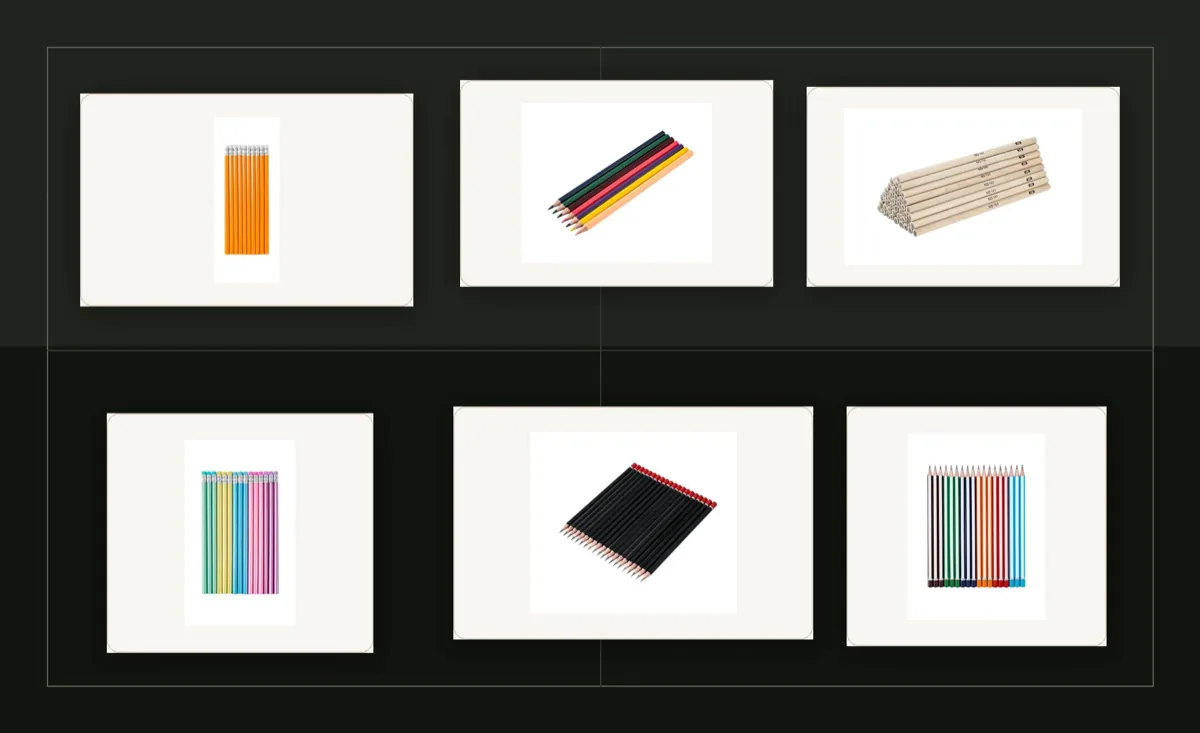
Direct process answer
It connects the seller and actual production stages to one written specification, artwork revision, approved sample, batch-control plan, packaging record, inspection basis, document list, and shipment-release decision. Finished pencils: 100 cartons per style, with 2,880 pencils per carton (288,000 pencils per style). For mixed orders totaling more than 300 cartons, the minimum is 50 cartons per style (144,000 pencils). An order totaling exactly 300 cartons does not qualify for this exception. Order quantities and packing for pencil slats, boards, and unfinished pencil bodies are agreed separately by specification.
Define who controls construction, core, finish, components, artwork, packaging, claims, tooling, and later changes.
Pair the approved physical reference with a written revision and measurable functional, visual, and packing checks.
Confirm testing, declarations, labels, documents, inspection, and shipment evidence for the exact market and SKU.
Compare one specification, confirmed per-style MOQ, pack, destination, Incoterm, payment, inclusions, and schedule trigger.
Who this is for
Use this page to prepare one measurable specification and commercial basis before comparing suppliers.
01
Start with the destination market, buyer channel, intended user, target quantity, repeat-volume expectation, delivery requirement, and responsible approvers. These inputs determine which product, packaging, evidence, and commercial route must be evaluated.
Destination and sales channel
Intended user and product positioning
Trial and repeat-volume basis
Named technical and artwork approvers
02
Define the pencil before discussing decoration. Record graphite or color core, hardness or color range, body length, diameter, shape, wood route, sharpened state, ferrule, eraser, dip end, and any functional acceptance points.
Core type and performance
Body dimensions and shape
Wood and surface route
Eraser, ferrule, dip end, and sharpening
03
Specify the barrel surface, coating direction, color references, exposed-wood areas, end treatment, component colors, and visual limits. Terms such as premium finish or close color are not measurable without an approved reference.
Natural, coated, or painted barrel
Color and finish reference
Ferrule and eraser combination
Visual defect and variation limits
04
Provide controlled artwork, logo placement, decoration method, retail-pack layout, barcode, labels, inserts, carton marks, and file revisions. The latest approved revision should be identifiable before sampling and again before production.
Vector logo and font handling
Print position and color reference
Retail packaging and barcode
Revision number and approval owner
05
Decide what the sample must prove: construction, writing or coloring performance, finish, logo, component assembly, packaging, or the complete product. Pair the physical reference with a written specification and recorded approval date.
Sample purpose and revision
Functional and dimensional checks
Artwork and color approval
Packaging and count approval
06
Compare quotations only when construction, quantity, packaging, destination, trade term, inspection, required documents, payment expectations, and approval responsibilities are aligned. Record any open item before production release.
One comparable specification
Quantity and commercial term
Inspection and evidence route
Documents and destination inputs
07
Use the approved specification and sample to control material preparation, core and body production, finishing, logo application, component assembly, packing, and in-process checks. Any approved change should create a traceable revision.
Approved material and construction
In-process quality checkpoints
Artwork and component control
Recorded change approval
08
Before dispatch, verify the agreed inspection result, quantities, retail packs, inner packs, master cartons, shipping marks, and transaction documents. Shipment approval should follow the confirmed order record rather than assumptions about certificates or market requirements.
Final product and count review
Packing and carton verification
Shipping marks and document consistency
Buyer or authorized release
Program structure
The labels are used differently across suppliers. The practical decision is who controls the product specification, artwork, components, packaging, testing inputs, and final acceptance. Record that responsibility in the order brief instead of relying on the label alone.
The buyer supplies or approves the construction, appearance, artwork, packaging, and measurable acceptance criteria.
The supplier proposes available product, finish, component, and packaging routes for buyer evaluation and approval.
Testing, certificates, declarations, labels, and destination documents are confirmed for the exact product and market before production.
One named revision, physical reference where needed, and authorized release reduce ambiguity between sample and batch production.
Supplier approval gates
A useful shortlist compares the same product handoff stage and removes suppliers with unresolved critical evidence. Price, communication speed, or a general catalog should not replace order-specific verification.
Match the legal entity, factory stage, responsible contact, quotation, invoice, payment, production, and shipment routes before sharing controlled artwork.
Give shortlisted suppliers the same construction, quantity, packaging, destination, sample, inspection, document, timing, and commercial inputs.
Pair the physical sample with a written specification, artwork revision, packaging record, measurable checks, and named approval owners.
Close critical gaps and record responsibilities for changes, inspection, corrective action, documents, and shipment approval before production.
Private-label factory route
Continue to the OEM wooden pencils page to compare product routes and send the product, artwork, packaging, destination, and quantity inputs needed for a factory review.
FAQ
Start with the destination, buyer channel, pencil construction, quantity, artwork, packaging, required evidence, delivery expectation, and who will approve the specification and sample.
No. Price and feasibility also depend on the pencil body, core, finish, components, decoration route, quantity, packaging, destination, inspection, and document requirements.
A physical sample is useful when construction, function, color, finish, logo, assembly, or packaging requires visual or functional approval. It should be paired with a written specification and controlled revision.
Finished pencils: 100 cartons per style, with 2,880 pencils per carton (288,000 pencils per style). For mixed orders totaling more than 300 cartons, the minimum is 50 cartons per style (144,000 pencils). An order totaling exactly 300 cartons does not qualify for this exception. Order quantities and packing for pencil slats, boards, and unfinished pencil bodies are agreed separately by specification. Samples are for evaluating a planned production order; sample availability, quantity, cost, freight, and timing are confirmed separately.
No certificate should be assumed from a general product page. Testing, certification, declarations, labeling, and document requirements are reviewed for the exact product, intended user, destination, buyer request, and order.
Continue researching
Factory quote
Tell us your destination market, quantity, target price, product route, and packaging requirement. We will match the material grade and production stage for the order.