Finished pencil format and shape
Factory buyer guide
How to specify pencil slats before requesting a quotation.
Compare 184 x 71 x 5 mm and 6.3 mm pencil slat specifications. Download an editable RFQ/QC workbook for wood, moisture, tolerances, packing, and inspection.
Finished pencils: 100 cartons per style, with 2,880 pencils per carton (288,000 pencils per style). For mixed orders totaling more than 300 cartons, the minimum is 50 cartons per style (144,000 pencils). An order totaling exactly 300 cartons does not qualify for this exception.
XLSX Download the pencil slat RFQ and QC workbook 5 editable worksheets / Bilingual start guide, comparable slat RFQ, stage-aware QC plan, three-supplier quote comparison, and formula-driven submission and production-release gates.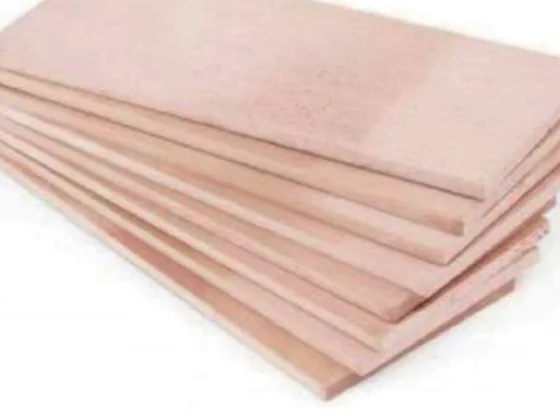
Who this is for
Downstream pencil factories, material importers, and production buyers
Use this page to prepare one measurable specification and commercial basis before comparing suppliers.
01
Start with downstream equipment
The correct slat is defined by the buyer's pencil format, groove route, shaping equipment, and accepted material tolerance. A nominal size alone is not a complete production specification.
Required slat length, width, and thickness
Downstream groove and shaping route
Accepted dimensional tolerance
02
Define wood and treatment
Confirm the wood species and accepted grade together with the treatment route. Poplar and linden can serve different price and machining targets, but acceptance must be based on measurable requirements and an approved reference.
Wood species and grade
Moisture requirement
Softening or waxing
Carbonization or other treatments agreed for the order
03
Control packing and loading
Packing affects moisture protection, handling loss, storage, and container utilization. State the bundle, pallet, protection, marking, and loading expectations before comparing prices.
Pieces per bundle
Moisture protection
Pallet or non-pallet route
Container and delivery requirement
04
Send a comparable RFQ
Ask every supplier to quote the same species, size, grade, treatment, quantity, packing, inspection, destination, and trade term. Use the free five-sheet RFQ and QC workbook to keep the commercial comparison, inspection plan, and release decision on one buyer-controlled basis.
One written specification
One acceptance sample or reference
One quantity and packing basis
One delivery and inspection basis
Material comparison
Poplar vs linden pencil slats.
Both poplar and linden can be specified for pencil production. The better route is the one that meets the buyer's machining, finish, treatment, availability, price, and approved-sample requirements; species name alone does not prove grade or performance.
Wood and grade
Compare species together with grain, straightness, visible defects, dimensions, tolerance, moisture, and the agreed material grade.
Machining behavior
Run the intended cutting, grooving, shaping, and sharpening checks on the buyer's equipment when process compatibility is critical.
Treatment route
Specify conditioning, softening, waxing, carbonization, protection, storage, and measurement methods only where the downstream process requires them.
Commercial comparison
Compare yield, packing, freight, availability, consistency, and total process cost on the same written specification and approved reference.
Factory supply route
Need a poplar or linden pencil slat quotation?
Continue to the pencil slats product page for manufacturing scope, measurable order inputs, European buyer routes, and a quote-ready inquiry form.
FAQ
Questions buyers should settle before production.
What is a common pencil slat size?
A common reference is 184 x 71 x 5 mm or 6.3 mm, but the final size and tolerance must match the buyer's downstream process.
Should moisture be included in the RFQ?
Yes. Moisture and storage conditions can affect machining and stability, so the required acceptance method should be agreed before production.
Are linden pencil slats always better than poplar slats?
No. Species name alone does not prove grade or performance. Compare measurable material requirements, treatment, machining results, yield, packing, price, and an approved sample for the buyer's actual process.
Continue researching
Related buyer decisions.
Pencil Slat Groove Quality Control | Factory Buyer GuideInspect grooved pencil slats for groove position, geometry, surface defects, core fit, bonding compatibility, packing, samples, and lot-release evidence.
Pencil Wood Moisture and Treatment GuideUnderstand how moisture, conditioning, softening, waxing, carbonization, storage, and acceptance methods affect pencil wood sourcing.
Sandwich Pencil Boards vs Pencil Slats | Buyer ComparisonCompare raw pencil slats, grooved slats, and core-filled sandwich pencil boards by process ownership, equipment, quality control, cost, and delivery risk.
Wooden Pencil Sampling and Quality Inspection GuideBuild a practical approval and inspection route for pencil materials, blank pencils, and finished OEM wooden pencil orders.
Compare Pencil Manufacturers in China | Free Supplier XLSXCompare China pencil manufacturers with a free supplier scorecard covering factory evidence, samples, QC, landed cost, lead time, documents, and sourcing risk.
Poplar vs Linden Pencil Slats: Specification ComparisonCompare poplar and linden pencil slats by dimensions, moisture, treatment, machining, bonding, sharpening, yield, packing, and production trials.
Factory quote
Send the specification to the factory
Tell us your destination market, quantity, target price, product route, and packaging requirement. We will match the material grade and production stage for the order.
Fast quote checklist
Finished pencils: 100 cartons per style; materials quoted separately
Product route
Quantity or annual volume
Destination country or region
Packaging, certificate, and target price
Open inquiry form