Core type and confirmed diameter
Factory buyer guide
Control pencil slat groove geometry before core placement and pressing.
Inspect grooved pencil slats for groove position, geometry, surface defects, core fit, bonding compatibility, packing, samples, and lot-release evidence.
Finished pencils: 100 cartons per style, with 2,880 pencils per carton (288,000 pencils per style). For mixed orders totaling more than 300 cartons, the minimum is 50 cartons per style (144,000 pencils). An order totaling exactly 300 cartons does not qualify for this exception.
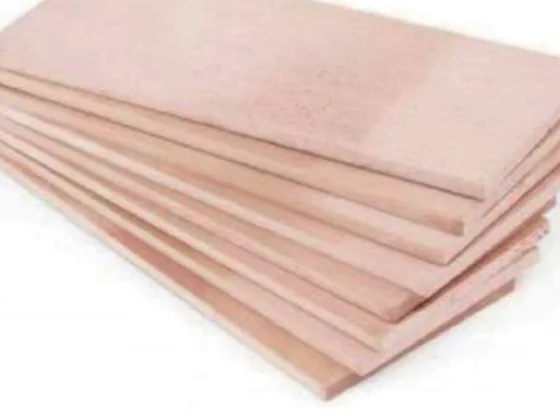
Who this is for
Pencil factories, material importers, production engineers, quality teams, and buyers of pre-grooved wooden pencil slats
Use this page to prepare one measurable specification and commercial basis before comparing suppliers.
01
Start with the complete downstream process
Groove acceptance depends on the intended graphite or color core, adhesive route, mating slat, pressing, shaping, finished pencil geometry, and the buyer's equipment. A nominal groove description is incomplete without that process context.
Mating-slat and adhesive route
Pressing and shaping equipment
Finished body format and acceptance
02
Define geometry and measurement
Record groove count, pitch, centerline, depth, width or profile, end position, alignment, slat dimensions, and tolerances using an agreed drawing or controlled sample. Identify the measurement method and where checks occur.
Groove count, pitch, and centerline
Depth, width, and profile
End position and longitudinal alignment
Drawing, method, sample, and tolerance
03
Inspect the groove surface and surrounding wood
Look for tear-out, chips, roughness, burn marks, contamination, splits, loose fibers, warp, thickness variation, and defects that can interfere with adhesive distribution, core seating, pressing, or later shaping.
Clean continuous groove surface
Chipping, tear-out, and loose fibers
Splits, warp, and thickness variation
Contamination and handling damage
04
Confirm core fit without forcing the result
Use the approved core and process to check seating, clearance, continuity, movement, and position. A core that appears to fit by hand does not alone prove adhesive coverage, pressing, bond integrity, centering, or finished-pencil performance.
Approved core reference
Seating and position
Adhesive and pressing trial where required
Finished-body centering check
05
Separate incoming, in-process, and trial evidence
Incoming checks verify delivered slats, while process trials verify compatibility with the buyer's core, adhesive, press, shaping, and sharpening route. Record sample size, method, result, responsible party, and disposition for each stage.
Incoming lot identity and sampling
Dimensional and visual record
Controlled assembly or machining trial
Release, hold, rework, or reject status
06
Protect geometry through packing and storage
Agree bundle orientation, movement control, moisture protection, carton or pallet route, marks, storage conditions, and receiving procedure. Damage or moisture change after production can alter slat flatness and process behavior.
Bundle and orientation control
Moisture and transit protection
Carton, pallet, and marks
Receipt and storage instructions
Disposition decision
Release, trial, rework, or reject a grooved slat lot.
Use the written specification, approved reference, dimensional and visual evidence, and an order-appropriate process trial. The disposition should follow the effect on core placement, bonding, pressing, shaping, yield, and finished-pencil acceptance.
Release
Use when required incoming checks and any agreed compatibility trial meet the controlled specification and evidence route.
Conditional trial
Use only when an open item can be evaluated on a segregated quantity without obscuring traceability or risking released production.
Rework review
Approve rework only when the method, affected quantity, ownership, repeat inspection, process impact, and buyer authorization are recorded.
Hold or reject
Segregate material when identity, geometry, defects, contamination, moisture condition, core fit, or evidence fails the agreed critical requirement.
Pre-grooved material route
Need grooved slats matched to a core and pressing process?
Continue to the grooved pencil slats page for the handoff stage, measurable RFQ inputs, quality route, packing, and a factory quotation request.
FAQ
Questions buyers should settle before production.
Which groove dimensions should be included in a pencil slat RFQ?
Include groove count, pitch, centerline, depth, width or profile, end position, alignment, slat dimensions, tolerances, measurement method, controlled drawing or sample, core reference, and downstream process.
Does a core fitting in the groove prove the slat is acceptable?
No. Acceptance may also require adhesive distribution, pressing, bonding, centering, shaping, sharpening, yield, and finished-pencil checks using the buyer's confirmed route.
Should grooved slats be inspected before production?
Yes. Agree incoming identity, dimensional, visual, moisture or storage, packing, and process-compatibility checks before releasing a delivered lot.
Can one groove specification work for graphite and colored pencil cores?
Not by assumption. Confirm the exact core construction and diameter, groove geometry, adhesive, pressing, finished body, and approved process trial for each intended route.
Continue researching
Related buyer decisions.
Pencil Slat Specifications & Sizes | Factory Buyer GuideCompare 184 x 71 x 5 mm and 6.3 mm pencil slat specifications. Download an editable RFQ/QC workbook for wood, moisture, tolerances, packing, and inspection.
Pencil Wood Moisture and Treatment GuideUnderstand how moisture, conditioning, softening, waxing, carbonization, storage, and acceptance methods affect pencil wood sourcing.
Sandwich Pencil Boards vs Pencil Slats | Buyer ComparisonCompare raw pencil slats, grooved slats, and core-filled sandwich pencil boards by process ownership, equipment, quality control, cost, and delivery risk.
Pencil Core Centering & Breakage Inspection | QC GuideInspect graphite and colored pencil core centering, bonding, sharpening, handling, packing, and breakage with controlled samples and disposition rules.
Poplar vs Linden Pencil Slats: Specification ComparisonCompare poplar and linden pencil slats by dimensions, moisture, treatment, machining, bonding, sharpening, yield, packing, and production trials.
Compare Pencil Manufacturers in China | Free Supplier XLSXCompare China pencil manufacturers with a free supplier scorecard covering factory evidence, samples, QC, landed cost, lead time, documents, and sourcing risk.
Factory quote
Send the specification to the factory
Tell us your destination market, quantity, target price, product route, and packaging requirement. We will match the material grade and production stage for the order.
yin315622@gmail.com
WhatsApp +86 15167563993
Factory: Luoyang, Henan, China
Showroom: Yiwu, Zhejiang, China
Fast quote checklist
Finished pencils: 100 cartons per style; materials quoted separately
Product route
Quantity or annual volume
Destination country or region
Packaging, certificate, and target price
Open inquiry form