Material and dimensions
Factory buyer guide
Validate pencil slat yield on the real buyer machining route before a volume commitment.
Plan a pencil slat or grooved-board trial by dimensions, moisture, groove geometry, feed, rejects, yield, packing, traceability, and corrective action.
Finished pencils: 100 cartons per style, with 2,880 pencils per carton (288,000 pencils per style). For mixed orders totaling more than 300 cartons, the minimum is 50 cartons per style (144,000 pencils). An order totaling exactly 300 cartons does not qualify for this exception.
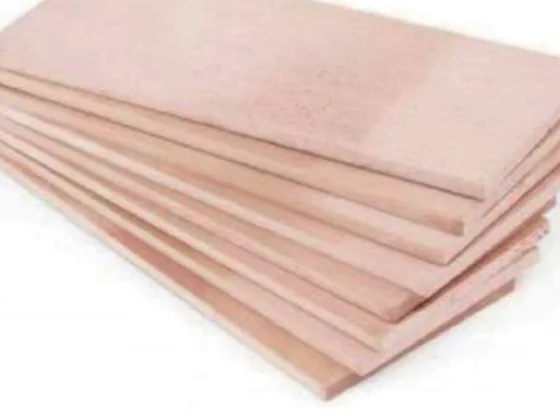
Who this is for
Pencil factories, technical buyers, slat importers, grooving operations, quality engineers, and procurement teams validating wooden pencil material compatibility
Use this page to prepare one measurable specification and commercial basis before comparing suppliers.
01
Define the incoming lot before measuring yield
Record wood route, nominal size, thickness, treatment or wax status, moisture or conditioning request, surface, flatness, grain or visual criteria, packing, production lot, sample selection, storage, and time between receipt and trial. Yield without lot identity cannot support a repeatable decision.
Treatment and condition
Lot and sample identity
Storage and trial timing
02
Document the buyer's actual machining setup
Machine model, cutters, groove pattern, feed direction, speed, tooling condition, dust extraction, operator, environmental conditions, target core, bonding route, and downstream shape can all affect results. Do not transfer yield from an unrelated line without recording the differences.
Machine and tooling
Groove and core target
Feed and process settings
Operator and environment
03
Classify losses by stage and cause
Count accepted input boards, dimensional rejects, warp, splits, roughness, groove defects, feed damage, adhesive or core issues, downstream shaping failures, and recoverable or rework units. Separate incoming-material observations from machining and process causes.
Incoming rejects
Grooving loss
Bonding or core loss
Downstream and recoverable loss
04
Calculate usable yield with transparent denominators
Define whether yield is measured by boards, grooves, sandwich boards, blank bodies, finished pencils, or saleable units. Record input, output, rework, scrap, test consumption, downtime, and confidence limits across a representative run rather than reporting one unexplained percentage.
Measurement unit
Input and accepted output
Rework and scrap
Trial size and repeatability
05
Close the trial with a controlled next action
Agree accept, conditional accept, process adjustment, supplier correction, resample, larger pilot, or reject status. Record evidence, responsible owner, due date, changed specification or machine setting, replacement lot, and the rule for future incoming checks.
Decision status
Corrective action
Changed control point
Future lot verification
Technical trial gate
Use a controlled buyer-line trial to separate material fit from process variation.
A credible yield decision identifies the incoming lot, machine and tooling, settings, loss categories, measurement unit, trial size, repeatability, evidence, and corrective-action owner.
Incoming condition
Confirm dimensions, condition, storage, sample identity, and material observations before machining.
Process record
Record line, tooling, feed, groove, core, bonding, operator, and environmental inputs.
Yield record
Use one denominator and separate accepted output, rework, scrap, test use, downtime, and cause.
Scale decision
Approve volume only after repeatability, open risks, specification changes, and future-lot controls are documented.
Factory quotation route
Use a controlled buyer-line trial to separate material fit from process variation.
Send the measurable product, pack, quantity, destination, sample, inspection, document, and commercial inputs identified on this page. Order quantities and packing for pencil slats, boards, and unfinished pencil bodies are agreed separately by specification. Samples are for evaluating a planned production order; sample availability, quantity, cost, freight, and timing are confirmed separately.
FAQ
Questions buyers should settle before production.
Can a supplier guarantee pencil slat yield on every buyer line?
Yield depends on the exact material lot, conditioning, storage, machine, tooling, settings, operator, groove, core, bonding, downstream process, and acceptance criteria. Use a controlled representative trial.
What is the best denominator for slat yield?
Choose the unit that matches the buying decision, such as input boards to accepted grooved boards, sandwich boards, blank bodies, or finished pencils. Keep conversions and all loss categories visible.
How large should a machining trial be?
Use enough material, time, line conditions, and repeats to represent normal variation and the decision risk. The buyer and supplier should agree the lot, sample plan, machine, evidence, and acceptance before the trial.
What should happen after a failed slat trial?
Contain affected material, classify loss by cause, verify measurements and process settings, agree corrective action, resample or adjust the trial, and authorize the next step through a controlled record.
Continue researching
Related buyer decisions.
Pencil Import Document Checklist | Buyer Release GuideOrganize quotation, contract, artwork, sample, inspection, test request, invoice, packing list, shipping, labeling, and destination documents for pencil imports.
Pencil Supplier vs Sourcing Agent | Direct Factory GuideCompare a direct pencil factory and sourcing agent by legal identity, production scope, sample control, quotation, inspection, payment, documents, and ownership.
Colored Pencil Core Diameter Selection | OEM Buyer GuideCompare standard, thick, jumbo, and custom colored-pencil cores by body, formula reference, user, sharpening, breakage, color performance, set, and inspection.
Wooden Pencil Defect Root-Cause Guide | Buyer & FactoryInvestigate pencil core, breakage, split, sharpening, coating, print, eraser, color, packing, and transit defects with containment and verified corrective action.
Wooden Pencil Industry Reference & Media Kit | ShanhaiShanhai company facts, pencil manufacturing stages, product specifications and source links for trade articles, supplier directories and procurement research.
Pencil MOQ Calculator | 2,880 Pencils per CartonCalculate 100 cartons per style as 288,000 pencils. Check mixed orders above 300 cartons at 50 per style, and reconcile retail sets to physical pencils.
Factory quote
Send the specification to the factory
Tell us your destination market, quantity, target price, product route, and packaging requirement. We will match the material grade and production stage for the order.
Fast quote checklist
Finished pencils: 100 cartons per style; materials quoted separately
Product route
Quantity or annual volume
Destination country or region
Packaging, certificate, and target price
Open inquiry form